Dreaming of a beach-area home in Scituate? It is easy to picture morning walks by the water and summer days near the harbor, but coastal buying comes with details you do not want to overlook. If you are considering a home near the beach, understanding access, parking, upkeep, pricing, and rental rules can help you make a smarter decision. Let’s dive in.
Scituate’s coastal lifestyle
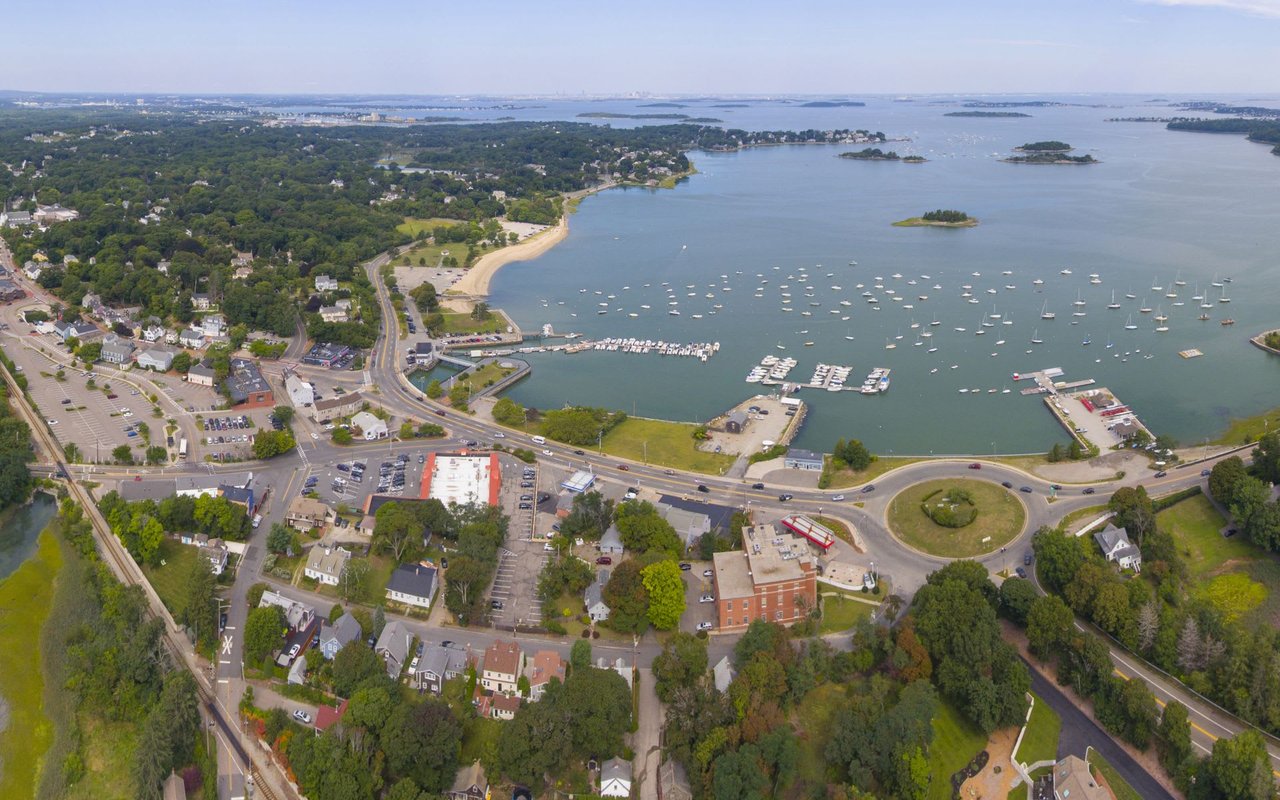
Scituate is a coast-oriented South Shore town with beaches, marinas, public boat launches, and a sheltered harbor. The town also highlights that many beaches are within walking distance of seaside neighborhoods and village centers, which adds practical appeal if you want to enjoy the shoreline without always getting in the car.
That said, not every beach experience is the same. Some areas are more connected to shops and harbor activity, while others are quieter or more limited in access. When you buy in a beach area, the specific beach near the home matters just as much as the address itself.
Know the beaches before you buy
A home that looks close to the water on a map may offer a very different day-to-day experience depending on which beach you plan to use. Scituate’s beach guide makes that clear.
Humarock access and activity
Humarock is accessed from Ferry Street in North Marshfield and has nearby shops and restaurants. If you like the idea of beach time paired with easy access to local businesses, this can be a practical setup.
Peggotty harbor convenience
Peggotty is the beach most connected to Scituate Harbor. Shops, restaurants, and a hotel are within walking distance, which can make it especially convenient if you want both waterfront access and village amenities nearby.
Museum Beach parking limits
Museum Beach has no direct parking and is walk-in only. If you are considering a home near Museum Beach, it is worth thinking about what that means for groceries, beach gear, guests, and daily convenience.
Sand Hills and Egypt details
Sand Hills narrows at high tide, and Egypt is described by the town as small and stony. These details may seem minor at first, but they can shape how often you use the beach and how the location feels in different seasons.
Tides and seasonal beach use
In Scituate, beach living is shaped by the tides. The town notes that beaches are greatly affected by Atlantic tides and recommends using a tide chart app.
That matters because a wide sandy stretch at one time of day may feel very different a few hours later. If beach access is a big part of why you are buying, it helps to visit at different times and in different conditions.
Beach use is also seasonal and managed. Lifeguards operate from mid-June through Labor Day, some areas are unguarded, porta potties are available at each beach, and the Board of Health conducts weekly water testing. In other words, beach life here is enjoyable, but it is not purely casual or identical year-round.
Parking can shape daily life
One of the biggest practical issues for beach-area buyers in Scituate is parking. Summer convenience often depends on more than how close you are to the sand.
Beach sticker rules
For the 2026 season, beach stickers are required from Memorial Day through Labor Day. The town lists resident beach stickers at $35, non-resident all-access beach stickers at $350 for Monday through Friday use only with no weekends or holidays, and non-resident Humarock-only stickers at $100.
Resident stickers are limited to four per household, and the town requires proof of residency. If you are planning ahead for summer use, these rules are worth factoring into how you will live in the home.
Limited lot sizes
Scituate’s beach parking is limited by design. The current guide lists 59 spaces at Humarock, 83 at Egypt, 24 at Sand Hills, and 75 lined spaces at Peggotty. Museum Beach has no direct parking.
Peggotty also has a tide-dependent overflow dirt area, and Minot uses smaller access points at Glades End and Bailey’s Causeway. On busy summer days, these details can make a real difference.
Street parking and guests
The town’s traffic schedule notes that many waterfront streets are year-round no-parking zones, and beach lots require a town-issued sticker during the summer season. If you expect frequent visitors, on-site parking can become a major advantage.
Scituate also notes that visitor beach passes are available at the Harbormaster’s Office on Tuesdays and Thursdays for Peggotty Beach. If hosting family and friends is part of your plan, it helps to know the rules before you buy.
Beach-area maintenance is real
Owning near the coast often means more visible exterior upkeep. Salt air and moisture can be tough on a home, especially on materials exposed to the elements.
EPA coastal guidance notes that in moist or coastal environments, steel fasteners and other hardware are likely to rust more easily, painted finishes can fail sooner, and corrosion-resistant fasteners plus careful exterior finishing can improve durability. For you as a buyer, that means paying close attention to siding, trim, porches, railings, windows, doors, and exposed metal hardware.
A beach-area home can absolutely be a smart purchase, but it helps to go in with realistic expectations. Homes that appear well maintained often reflect an ownership pattern that fits coastal conditions.
What to budget for upkeep
A general maintenance guideline from NC State Extension suggests budgeting 1% to 3% of a home’s market value each year for maintenance and repairs. Based on Scituate’s recent median sale price of $919,000, that rough range comes out to about $9,190 to $27,570 annually.
This is only a broad rule of thumb, not a prediction for any specific property. Still, it is a useful reminder that the true cost of ownership includes more than the mortgage payment, especially in a coastal setting.
Why beach proximity affects price
Scituate is already a high-price market before any beach premium is added. The town’s housing production plan reported a median single-family home price of $888,000 at the end of 2024, and Redfin reported a median sale price of $919,000 over the three months ending May 2026, up 11.4% year over year.
That context matters because homes near the beach may command even stronger pricing based on access and setting. Regional research in a New England case study found that homes within 0.00 to 0.10 miles of the coast sold for 28.6% more than comparable homes located 0.50 miles or more away.
The same research notes that value is not based on distance alone. View quality and distance to beach access can matter too. In practical terms, a true walk-to-beach location, water views, and easier parking may influence value nearly as much as interior updates.
Think carefully about rental plans
Some buyers look at beach-area homes and assume rental income will offset costs. In Scituate, that idea deserves a careful reality check.
Town meeting materials from 2025 noted that Scituate’s seasonal appeal creates high short-term rental demand in the summer and almost none in the winter. That makes rental potential seasonal rather than steady.
Rules matter too. Scituate’s Planning Board FAQ says accessory dwellings cannot be used for short-term rentals. Massachusetts also requires short-term rental operators to carry at least $1 million in liability insurance, and the state’s room occupancy excise applies to short-term rentals of 31 days or less.
If rental income is part of your buying strategy, it is best to treat it as a regulated option, not an automatic assumption. The details of the property and the rules need to align with your plan.
Questions to ask before you buy
Before making an offer on a beach-area home in Scituate, it helps to slow down and ask practical questions that go beyond curb appeal.
- Is there enough on-site parking for your household and guests?
- How long is the walk to the beach in real life, not just on a map?
- Does the beach you plan to use have direct parking, limited parking, or none?
- What exterior features may need more regular upkeep in a salt-air environment?
- If you hope to rent the property, do local and state rules support that plan?
These questions can help you compare homes more clearly and avoid surprises after closing.
Buying with a local strategy
In a town like Scituate, small location details can have a big impact on daily enjoyment and long-term value. Two homes at similar price points may feel very different once you factor in tide patterns, parking logistics, walkability, and maintenance demands.
That is why a local, property-specific approach matters. When you understand how a home lives in every season, you can buy with more confidence and fewer compromises.
If you are considering a beach-area home in Scituate or anywhere on the South Shore, Pamela Bates can help you evaluate the details that matter most and build a smart plan around your goals.
FAQs
What should you know about beach parking in Scituate before buying?
- Beach parking is limited, some streets near the water have no-parking rules year-round, and beach lot access during summer requires a town-issued sticker.
What should you know about Museum Beach in Scituate before buying nearby?
- Museum Beach has no direct parking and is walk-in only, so nearby homebuyers should think carefully about daily access and guest convenience.
What should you know about beach stickers in Scituate before buying a summer home?
- For the 2026 season, stickers are required from Memorial Day through Labor Day, with different pricing and access rules for residents and non-residents.
What should you know about maintaining a beach-area home in Scituate?
- Coastal conditions can speed up wear on exterior materials and metal hardware, so it is important to budget for routine upkeep and inspect exterior condition carefully.
What should you know about short-term rentals in Scituate before buying?
- Short-term rental demand is highly seasonal, accessory dwellings cannot be used for short-term rentals, and state insurance and tax rules may apply.
What should you know about beach proximity and home value in Scituate?
- Scituate is already a high-price market, and homes closer to the coast may command higher prices based on access, views, and convenience.