A buyer touring three Duxbury listings marked "waterfront" in the same afternoon can walk away with three entirely different products. One might come with a private dock, a stretch of tidal flats exposed at low tide. Another might mean a water view across a marsh, protected on all sides by conservation land, with no path down to the shore at all. A third might not touch the water anywhere on the parcel. All three get called "waterfront" in the marketing copy. Only one of them actually is.
That gap matters more in Duxbury than in most South Shore towns, because the town's most visible amenity, the beach itself, isn't owned by the town at all. Understanding who owns what, and what a buyer actually gets for the premium, turns out to be the difference between a smart offer and an expensive surprise.
Three Listings, Three Different Products
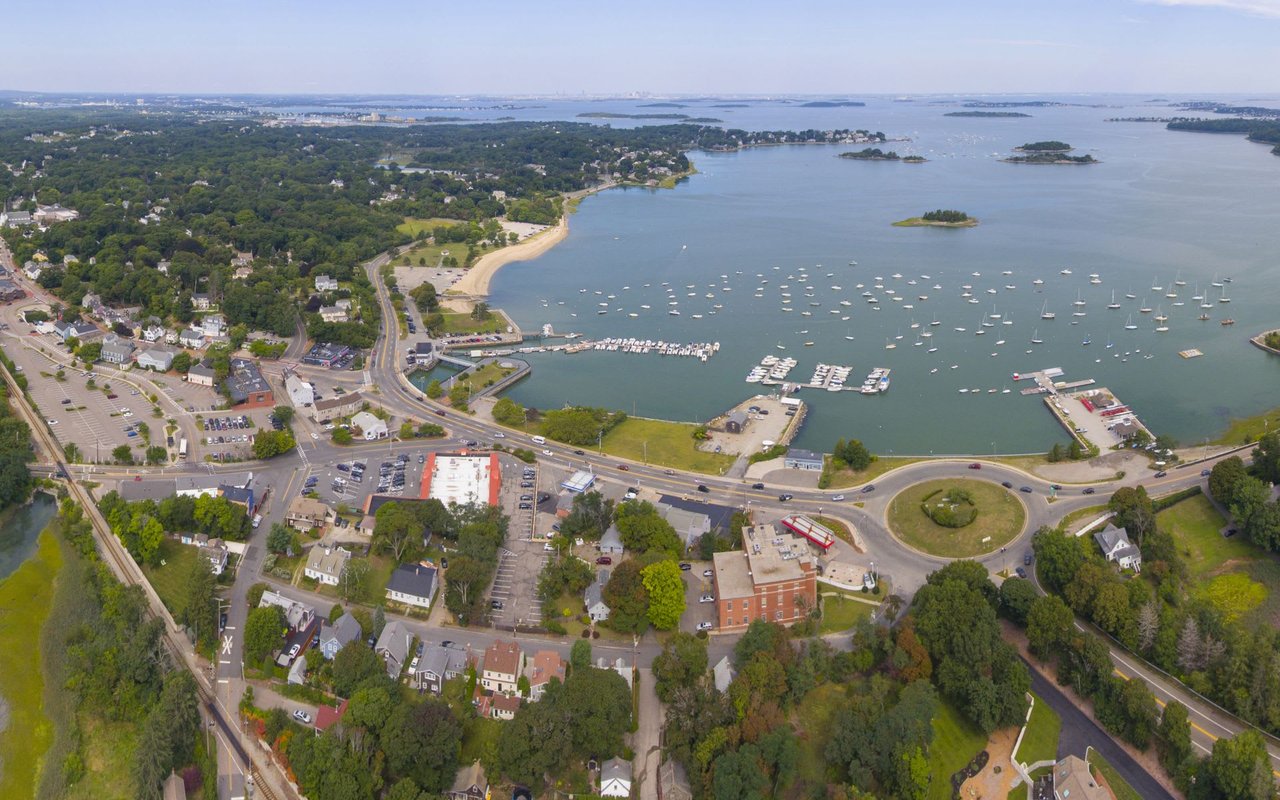
Start with the clearest case: a property on Standish Shore currently marketed with roughly 2,000 feet of waterfront and an 80-foot dock, sitting on close to 13 acres that abut conservation land. At low tide, the same shoreline exposes flats. That's frontage in the fullest sense: a recorded footage number, direct water access, and a structure built for using it.
Compare that to a different kind of listing on the market this year: a custom home surrounded by more than 15 acres of land preserved by the Wildlands Trust, marketed around panoramic views of marsh and coastal wildlife. The description sells serenity and privacy, and it delivers both. What it doesn't promise is a dock, a beach, or deeded water access. It's a water view property, and there's nothing wrong with that, as long as the buyer knows it's a different category than frontage.
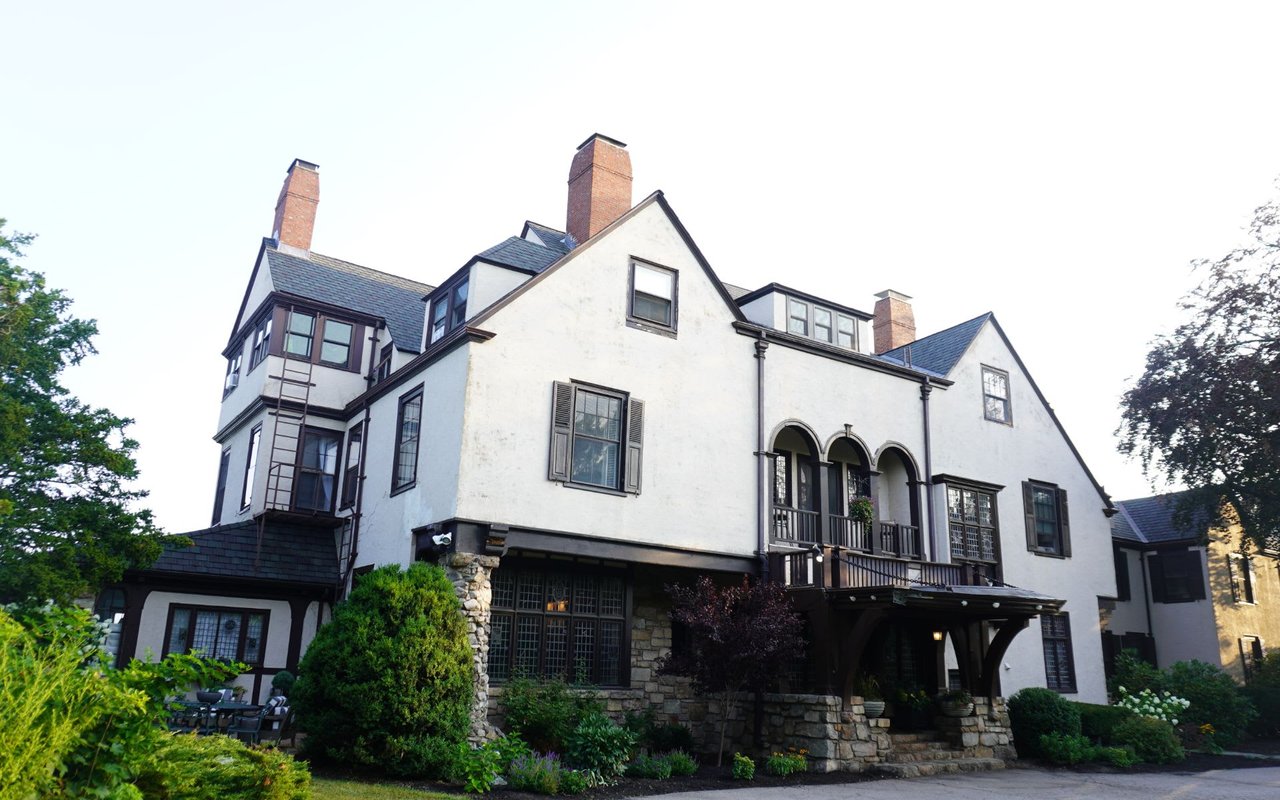
Then there's a third structure that catches even experienced buyers off guard: a shingle-style gambrel cape, originally built in 1916 and redesigned in 2005, set on marsh views with more than 25 abutting acres under Wildlands Trust stewardship.
Here's how those three categories compare on paper:
| What the listing says | What you actually get | What to verify |
|---|---|---|
| Waterfront, direct frontage | Frontage footage in the deed, dock permit status, tidal access at low tide | |
| Water view | Sightlines to marsh, river, or bay, often near conservation land | Whether any path or right to the shoreline exists at all |
| Deeded beach rights | Which beach, whether the right is transferable, whether it requires a separate association fee |
None of these are better or worse in the abstract. They're priced differently because they deliver different things, and the listing description alone often doesn't make the distinction obvious.
Ownership and Public Access at Duxbury Beach
Here's the part that surprises even people who've lived on the South Shore for years: Duxbury Beach isn't owned by the Town of Duxbury. It's owned by a nonprofit, Duxbury Beach Reservation, which holds the stretch of beach running from Gurnet Road at the northern end down to Gurnet Point and Saquish at the southern end. The nonprofit leases a large portion of that beach to the town for use by residents and the public, while keeping its most northerly section, Duxbury Beach Park, open to the general public on a separate, daily-fee basis.
In the 1950s and 1960s, the state made several attempts to take the beach by eminent domain. The beach was open to the public through non-resident permits and the fee-based public lot. Duxbury Beach Reservation brought on its first professional manager in 2017, and staff now handle dune nourishment, road maintenance to Gurnet-Saquish, and compliance with state and federal shorebird protections.
What that means for a homeowner in 2026 is simple: living in Duxbury, even living near the beach, does not guarantee free in-season parking or oversand vehicle access. Pedestrian access is free year-round, but in-season parking and oversand vehicle access require an annual sticker. For the 2026 season, valid April 1, 2026 through March 31, 2027, the Town of Duxbury's fee schedule lists resident parking lot stickers at $155, and resident oversand beach permits at $250 before April 30 and $270 after May 1. Seniors 62 and older pay reduced rates, $70 for the parking lot and $135 for oversand. The Town of Duxbury bars dogs entirely from the front Resident Beach and the bayside beach near the parking lot from April 1 through September 15, when piping plovers and least terns are nesting.
There's one seasonal wrinkle worth knowing if you're picturing summer weekends at the beach as part of the deal. After Labor Day, the resident parking lot becomes free and open to the public. In season, it's a paid, permit-based system, even for people who've lived in town for decades.
What This Means When You're Comparing Two Listings
Put the frontage question and the beach ownership question together, and a pattern emerges. A house near Duxbury Beach does not automatically come with free, unlimited access to it. What you're actually buying, in terms of shoreline access, depends entirely on specifics that a listing sheet rarely spells out in full. Before writing an offer on anything described as waterfront, water view, or beach access, it's worth asking:
- What is the recorded frontage footage, if any, and is there a dock, and is it currently permitted?
- Is there a deeded beach right attached to this property, and if so, which beach, and is that right transferable to a new owner?
- Does this property qualify for the town's standard resident sticker system, or does it carry something beyond that?
- If oversand or vehicle beach access matters to you, have you budgeted for the annual permit, since it isn't bundled into anything the town or the seller provides automatically?
These aren't questions a portal listing answers. They're questions for a title search, a conversation with the seller's attorney, and in some cases a call to the Town Clerk's office to confirm what's actually recorded.
The Number Behind The Number
The price data adds a layer worth sitting with. MLS records for single-family sales across the South Shore, covering October 2, 2025 through April 2, 2026, show Duxbury with 64 units sold at a median price of $1,218,500, an average of $483.76 per square foot, and a typical 21.5 days on market. A separate comparison of Q1 2025 against Q1 2026 found Duxbury posting the largest year-over-year median price increase of the towns examined, a 34 percent jump, while the share of homes selling above asking price fell from 65 percent to 33 percent over the same stretch. Read together, that's a market that reset to a meaningfully higher price floor without the frantic overbidding that defined 2021 through 2023. Buyers are paying more, but they're not panicking to get there.
Here's where the frontage question comes back in. A scan of active listings in early August 2026 shows 28 homes marketed as waterfront in Duxbury, with a median listing price of $1.2 million, nearly identical to the townwide sale median from the MLS report. On the surface, that suggests the waterfront label isn't commanding an obvious premium at all. But medians flatten outliers, and the outliers are exactly where the real premium lives, in listings like the Standish Shore and Powder Point estates priced well into the seven figures for genuine frontage, dock rights, and acreage. The town median tells you what a typical Duxbury home costs. It doesn't tell you what a specific stretch of shoreline is worth, and that's a distinction a buyer has to dig for, not one the aggregate number will hand over.
A Few Common Questions
Does buying near Duxbury Beach include free parking or beach access? Pedestrian access is free year-round; parking is free at the resident lot only after Labor Day. In season, parking and oversand vehicle access require an annual town-issued sticker, currently priced at $155 for the resident parking lot and $250 to $270 for oversand permits for the 2026 season.
Is a deeded beach right the same as living on the water? No. Beach access and water frontage are different features, so confirm exactly what the listing means and what the records show.
Why does the same word, waterfront, get used for such different properties? The label can describe frontage, a water view, or beach access, so verify what a particular listing means.
If you're comparing Duxbury listings and trying to figure out what you're actually paying for, that's exactly the kind of due diligence worth doing before you're three weeks into a purchase and offer contract. Pamela Bates has spent nearly two decades working South Shore transactions where the fine print made the difference. Let's Connect.
This article is general information, not legal, tax or financial advice. Consult a qualified professional about your situation.