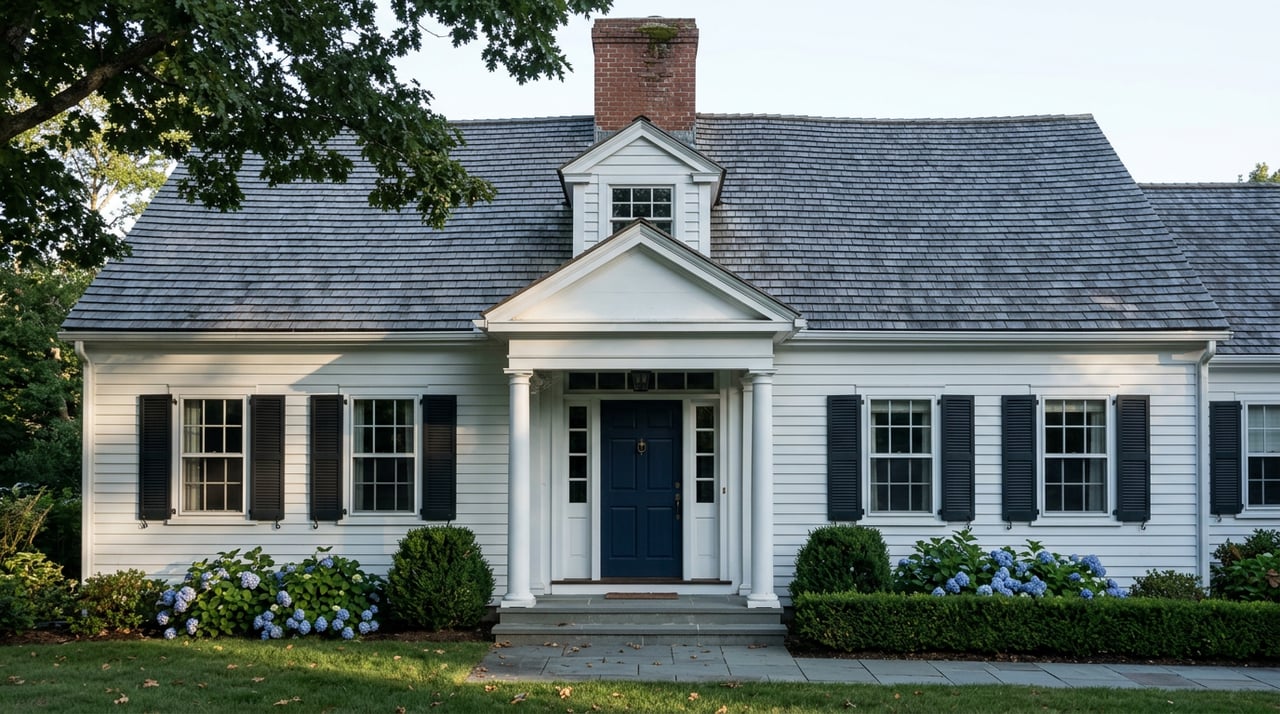
"The goal is to support the long-term vitality of Cohasset Village, including property values and local economic activity, while maintaining its distinctive buildings and streetscapes," Woody Chittick, chair of the Cohasset Village Historic District Study Committee, said earlier this year.
It's a careful sentence, and it should be. Committees don't get to choose between charm and flexibility. They have to hold both at once. But the sentence also hides the part that actually matters to anyone who owns, or is about to buy, a house in Cohasset Village: what changes, in practice, the day after a vote passes. Not the philosophy. The paperwork.
What's Actually Being Voted On
In 2025, Cohasset's Select Board formed the Cohasset Village Historic District Study Committee under the state's Historic Districts Act, the law that governs how Massachusetts towns create local historic districts. The committee has spent this year working with Barrett Planning Group, a Hingham-based planning consultant, to study whether a new local historic district should cover a broader stretch of Cohasset Village than is currently protected. Jennifer Doherty, the preservation planner leading that work, has described the goal plainly: give residents and property owners clear information about what a local historic district actually is, how the review process works, and what it would mean for their own buildings.
The committee has already held public forums for property owners this year, and as of late August, the topic was still active on the Select Board's own agenda. A vote requires a two-thirds majority at Town Meeting, and officials have pointed toward a possible fall session this year, though no specific date has been set as of this writing. If it passes, it will be the first expansion of local historic protection in Cohasset Village in nearly five decades.
That timing detail matters less than the number attached to it. Two-thirds is a high bar, and it means the outcome is genuinely uncertain. What isn't uncertain is what the district would actually require of the people who live inside it, because Cohasset already has one.
The District Cohasset Already Has
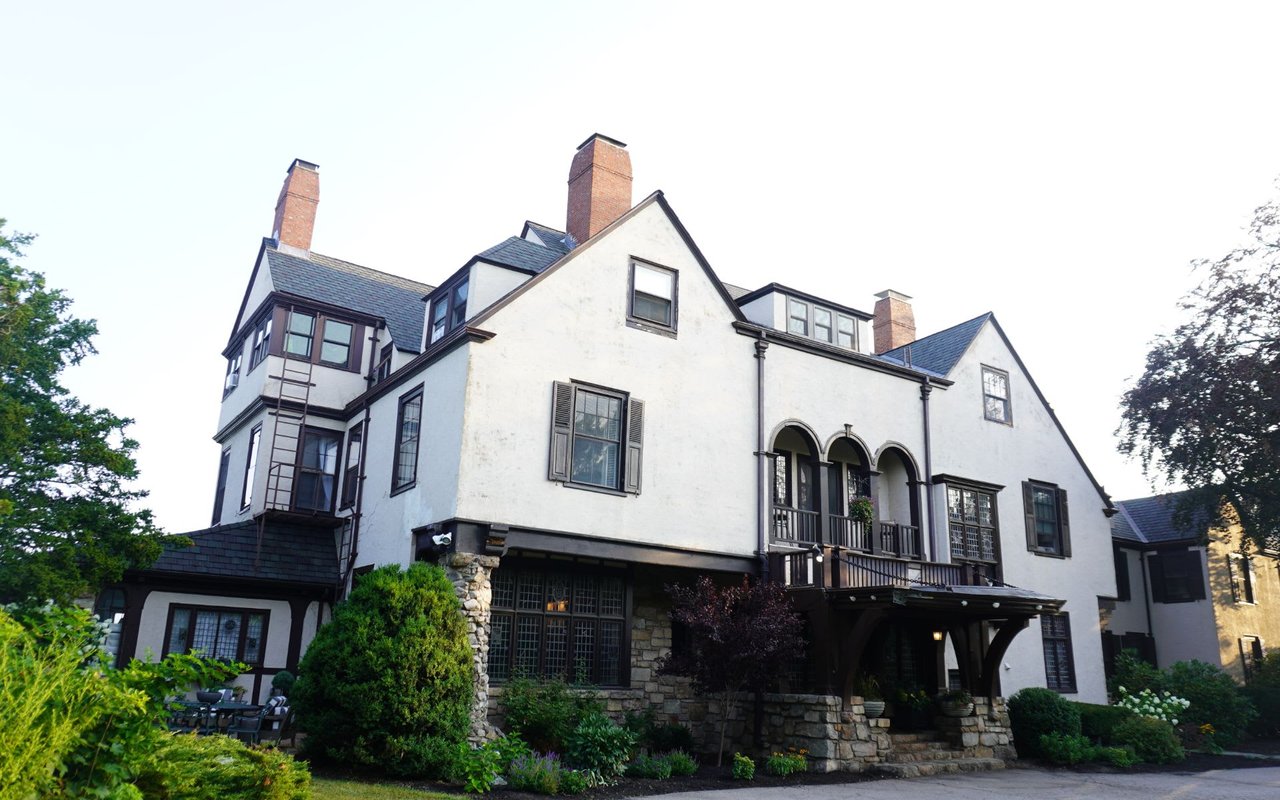
Since 1978, Cohasset has maintained a single local historic district, centered on the Town Common. It's anchored by the First Parish Meetinghouse, built in 1747, with the Town Hall and Second Congregational Church facing it and St. Stephen's Church closing the Common at its southern end. The district was added to the National Register of Historic Places in 1996.
That's two different designations layered on the same buildings, and the difference between them is the whole story. A National Register listing is largely honorary. It doesn't stop an owner from replacing windows or re-siding a house, unless the project uses state or federal permits or funding, in which case the Massachusetts Historical Commission reviews the alteration. A local historic district is a different animal entirely. It's created by local bylaw, and it comes with real teeth: any exterior change visible from a public way, repainting, reroofing, a new addition, has to go through the town's own historic district commission before work starts.
Here's a simple way to see the gap:
| National Register Listing | Local Historic District (Cohasset Common today) | |
|---|---|---|
| Who reviews exterior changes | No one, unless state or federal funds are involved | A locally appointed historic district commission |
| Is review required for routine work like siding or windows | No | Yes, if visible from a public way |
| What you get if approved | Nothing to file | A certificate of appropriateness |
| Practical effect on a renovation timeline | None | Adds a review step before permits |
A house on the National Register elsewhere in Cohasset can get new windows on a Tuesday. A house inside the 1978 Common district needs a certificate first. Same town, same era of house, completely different process, and the difference is invisible on a listing sheet.
What The Bylaw Actually Requires
Cohasset's own zoning code spells out how that review works for the existing district, and it's worth understanding before assuming a fall vote is mostly symbolic. Under the town's Chapter 132 bylaw, the Historic District Commission has to determine, within 14 days of an application, whether a proposed change involves an exterior feature subject to its approval. If it does, the commission holds a public hearing unless that step is waived. The process ends with either a certificate of appropriateness, a certificate of nonapplicability if the work doesn't touch a regulated feature, or in genuine cases of financial hardship, a certificate of hardship.
None of that is unusual for a Massachusetts historic district. But it is a real step with a real clock attached, and it currently applies only to the tight ring of streets around the Common. That's the part a fall vote would change. If the proposed Village district passes, that 14-day determination and potential hearing would apply to a meaningfully larger footprint of Cohasset Village, not just the homes facing the green.
Which Streets Actually Change
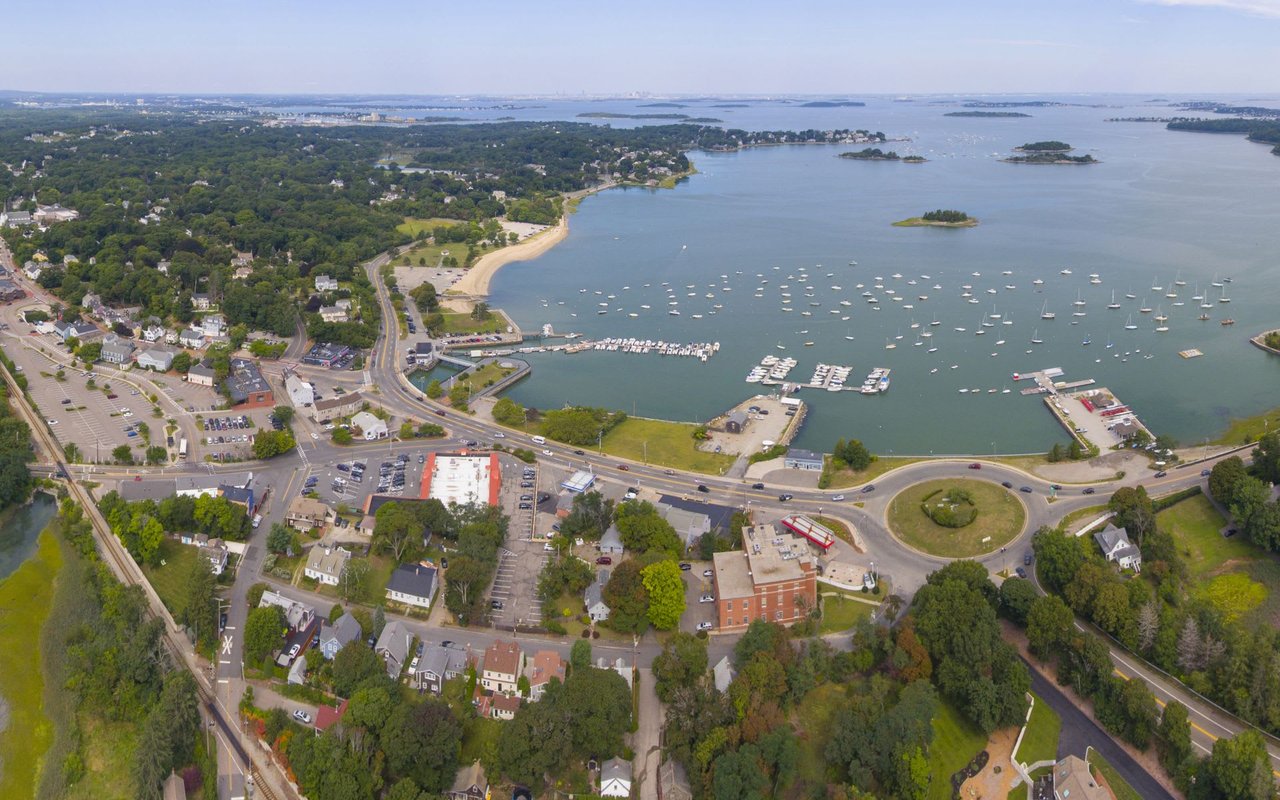
Cohasset Village has served as the town's commercial and civic center since the late 1700s, and its Main Street corridor today is where most of the daily texture of the town actually happens. Bia Bistro has operated there since 2003. Hooper's Judge, a gastropub that opened this year in the former Blue Ore space at 9 Depot Court, sits inside the village core. Salty Days Fish, French Memories bakery, and the Olde Salt House on the harbor are all part of the same walkable stretch.
Most of those addresses sit outside the 1978 Common district boundary, which was drawn tightly around the green itself. That's precisely the gap the study committee is trying to close. A wider Village district would bring more of that commercial and residential streetscape, buildings whose exteriors currently answer to no one but their owners, into the same review process the Common has followed since 1978.
Supporters argue this protects the character that draws people to the village in the first place, and that it can support long-term property values along with it. Critics of local historic districts elsewhere in Massachusetts have raised concerns about property rights and added friction for renovation. Both things can be true at once, which is exactly why the committee has spent a year on outreach instead of rushing a warrant article.
What This Means If You're Looking At A Village Property
If you're comparing a Cohasset Village address against a similar house a few streets over, or in a neighboring South Shore town, the historic district question is worth asking directly, not assuming. A few things worth checking before you fall in love with a project:
- Whether the specific address sits inside the current 1978 Common district, inside the proposed expanded boundary, or in neither
- Whether planned work touches anything visible from the street, since interior renovations aren't subject to this review regardless of the outcome
- Whether the town's hardship provision would apply to your situation if a proposed change were denied as inappropriate
None of this should be read as a reason to avoid the village. Plenty of buyers specifically want the predictability and protected character a historic district provides, especially those planning to hold a property for decades rather than flip it. But going in with the right expectations, rather than assuming "historic" means the same thing everywhere in town, is the difference between a smooth renovation timeline and a frustrating one.
A Few Direct Questions
Does a National Register listing by itself stop me from renovating? No. It's honorary unless your project uses state or federal funds or permits, in which case the Massachusetts Historical Commission reviews the work.
If the fall vote fails, does anything change for current owners? No. The 1978 Common district would remain exactly as it is today, and no additional streets would come under commission review.
Who actually reviews an application under a local historic district? A locally appointed historic district commission, which under Cohasset's bylaw must determine within 14 days whether a proposed exterior change requires its approval.
If you're weighing a move to Cohasset Village, or you already own there and want to understand what a fall vote could mean for your own front door, Pamela Bates has spent decades working this exact stretch of the South Shore and can walk you through what it means for your specific address. Let's Connect.