By Pamela Bates
Most buyers come to their first conversation with a real estate agent knowing the questions they think they should ask, such as bedrooms, bathrooms, or the commute to Boston. After nearly two decades helping buyers find homes in Hingham, Cohasset, Duxbury, Norwell, Scituate, and across the South Shore, I have found that the questions buyers do not know to ask are often the ones that matter most. Here are the answers to those questions — the ones that change how you search, what you offer, and whether the transaction closes smoothly.
Key Takeaways
- Understanding the difference between pre-qualification and pre-approval before you start searching is the single most important preparation step in a competitive market
- The inspection contingency is one of the most important protections in a purchase contract
- Massachusetts has specific buyer obligations around the Purchase and Sale Agreement that first-time and out-of-state buyers frequently encounter for the first time mid-transaction
- The South Shore market moves at a different pace depending on the town and price point
What Is the Difference Between Pre-Qualification and Pre-Approval?
Pre-qualification is an estimate based on self-reported financial information with no verification and no credit check. It gives a general sense of purchasing range but carries no weight with a seller in a competitive market. Pre-approval means a lender has reviewed actual documentation and issued a written commitment for a specific loan amount.
In Hingham and across the South Shore, where well-priced homes in desirable neighborhoods attract multiple offers, a pre-approval letter from a reputable lender is the minimum standard for a seller to take an offer seriously. Get pre-approved, not pre-qualified, before starting your search, and make sure your lender is familiar with the Massachusetts market and the loan products that apply to your situation.
In Hingham and across the South Shore, where well-priced homes in desirable neighborhoods attract multiple offers, a pre-approval letter from a reputable lender is the minimum standard for a seller to take an offer seriously. Get pre-approved, not pre-qualified, before starting your search, and make sure your lender is familiar with the Massachusetts market and the loan products that apply to your situation.
What to Have Ready Before Getting Pre-Approved
- Two years of federal tax returns and W-2s that lenders use to verify income consistency and identify any obligations that affect your debt-to-income ratio
- Recent pay stubs covering at least 30 days of income; self-employed buyers will need additional documentation, including profit and loss statements
- Bank and asset statements for the past two to three months from all accounts contributing to the down payment and closing costs
- A list of existing debts, including car loans, student loans, and credit card balances
What Does an Offer Include Beyond the Price?
The offer price is the most visible number, but the structure of the offer — the earnest money deposit, the inspection contingency, the financing contingency, the proposed closing date, and any other conditions — tells the seller as much about the buyer's preparation as the price itself.
In Massachusetts, the offer is followed by a Purchase and Sale Agreement, a more detailed legal document that governs the actual transaction. Buyers should work with a real estate attorney to review it before signing.
In Massachusetts, the offer is followed by a Purchase and Sale Agreement, a more detailed legal document that governs the actual transaction. Buyers should work with a real estate attorney to review it before signing.
What the Non-Price Terms of an Offer Communicate to a Seller
- Earnest money deposit: A larger deposit signals commitment and financial readiness
- Inspection contingency length and structure: A shorter inspection period backed by a pre-assembled team signals preparation
- Financing contingency: The lender behind the pre-approval and the specificity of the financing terms tells the seller how much execution risk they are accepting
- Closing date flexibility: Sellers in the South Shore market often have specific timeline needs
What Do I Need to Know About the Inspection Process in Massachusetts?
Massachusetts does not have a defined option period the way some other states do. The inspection contingency is negotiated as part of the offer, and the timeframe for completing the inspection and delivering any requests to the seller is written into the contract. In the South Shore market, where homes vary widely in age and condition, a thorough inspection is essential.
For properties with private wells and septic systems, separate well and septic inspections should be scheduled at the same time as the general inspection. These are not covered by the standard home inspection and are essential for understanding the condition of two systems that are expensive to repair or replace.
For properties with private wells and septic systems, separate well and septic inspections should be scheduled at the same time as the general inspection. These are not covered by the standard home inspection and are essential for understanding the condition of two systems that are expensive to repair or replace.
What a Thorough South Shore Home Inspection Covers
- General home inspection: Foundation, roof, HVAC, plumbing, and electrical
- Well water testing and well inspection: Evaluates pump condition, pressure tank, and water quality
- Septic system inspection: State regulations require the seller to have this tested and provide a report showing the buyer that the system meets state-mandated standards.
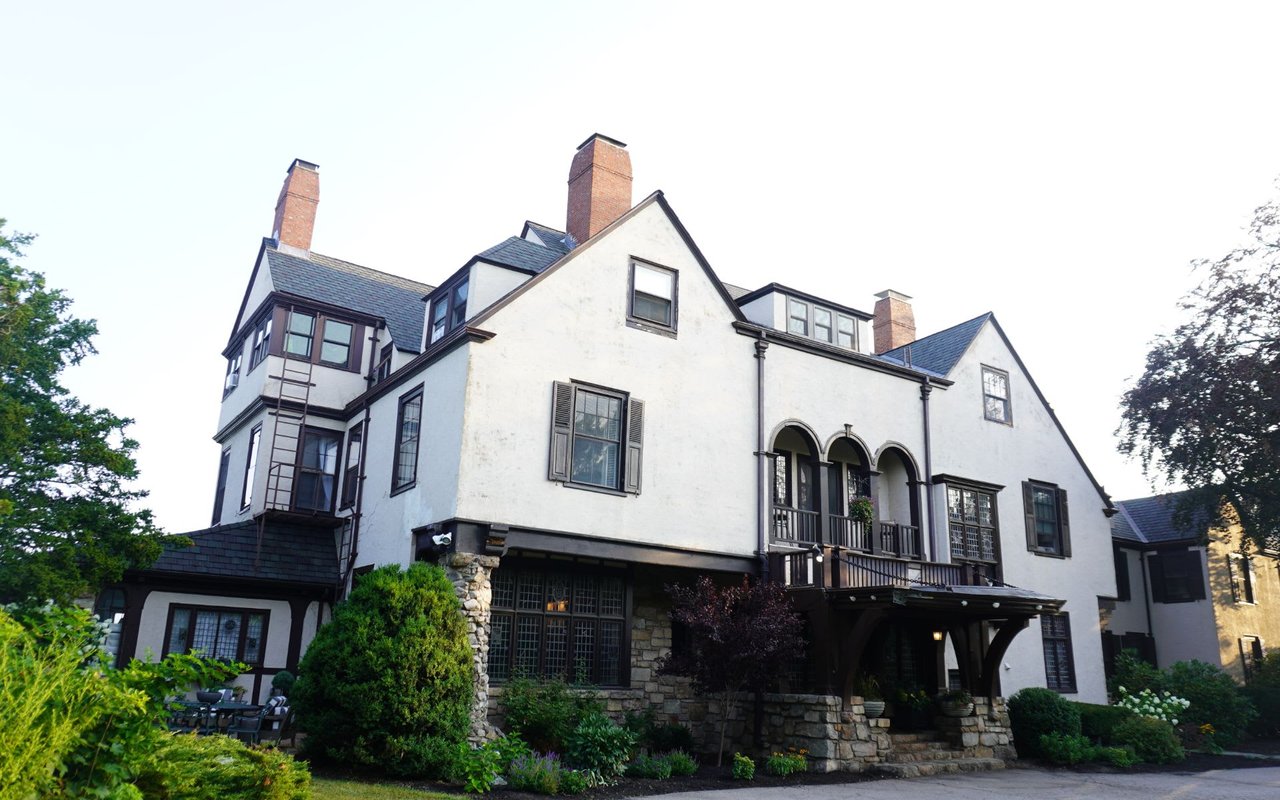
- Specialized inspections for older construction: Knob-and-tube wiring, older oil tanks, and chimney condition are common findings in Hingham's historic housing stock and warrant specialist evaluation
What Should I Know About Buying Near the Water on the South Shore?
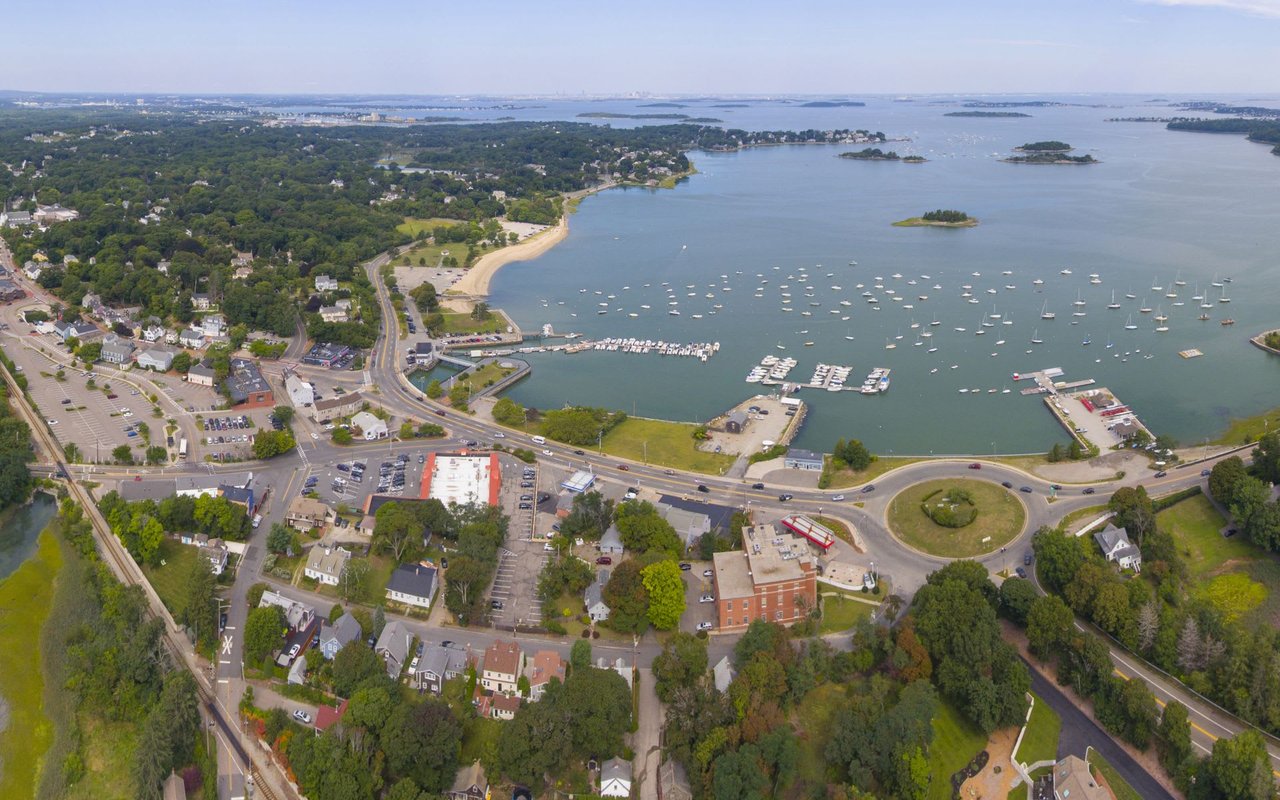
Properties near Hingham Harbor, Cohasset Cove, or the coastal areas of Scituate and Hull may be subject to flood zone designations requiring separate flood insurance. The cost can meaningfully affect the monthly carrying cost of a coastal home, and it is not reflected in the list price.
Massachusetts coastal properties may also be subject to regulations under the Wetlands Protection Act, administered by the local Conservation Commission. Properties within 100 feet of a coastal resource area may require permits for certain types of work.
Massachusetts coastal properties may also be subject to regulations under the Wetlands Protection Act, administered by the local Conservation Commission. Properties within 100 feet of a coastal resource area may require permits for certain types of work.
What Coastal Buyers Should Research Before Making an Offer
- Flood zone designation and flood insurance cost: Request a flood certificate for any property near the water, and get a specific flood insurance quote before committing
- Conservation Commission jurisdiction: Check whether the property falls within 100 feet of a wetland, coastal bank, or other resource area protected under the Massachusetts Wetlands Protection Act
- Title history and any existing Orders of Conditions: Prior Conservation Commission permits may impose ongoing conditions on what can be done with the property
- Coastal erosion and storm history: For properties with direct water exposure, ask about documented storm or flooding events and review the seller's disclosure carefully
What Closing Costs Should I Budget for in Massachusetts?
Massachusetts closing costs are among the highest in the country. Buyers who plan only for the down payment are frequently caught off guard. The buyer's side of the closing table includes lender fees, title insurance, an attorney fee, and prepaid property taxes and homeowner's insurance, among others.
As a general planning figure, budget two to three percent of the purchase price in closing costs on top of the down payment. Asking your lender for a Loan Estimate early in the process gives a more precise number.
As a general planning figure, budget two to three percent of the purchase price in closing costs on top of the down payment. Asking your lender for a Loan Estimate early in the process gives a more precise number.
What Buyers Should Budget for Beyond the Down Payment
- Lender fees: Origination fees, application fees, and points if applicable
- Title insurance: Both lender's title insurance (required) and owner's title insurance (strongly advisable)
- Attorney fee: Standard in Massachusetts residential transactions, typically a few hundred to over a thousand dollars, depending on the complexity of the closing
- Prepaid items: Property taxes, homeowner's insurance, and mortgage interest prepaid at closing
FAQs
Is a real estate attorney required in Massachusetts?
Massachusetts does not legally require a buyer to hire an attorney, but it is standard practice and strongly advisable. The Purchase and Sale Agreement is a legally binding document, and the title search, closing process, and any issues that arise between offer and closing benefit significantly from professional legal review. Most South Shore transactions include attorneys on both sides.
What is the transfer tax in Massachusetts, and who pays it?
Massachusetts charges a real estate transfer tax of $4.56 per $1,000 of the purchase price, paid by the seller, not the buyer. It is factored into the seller's net proceeds at closing rather than the buyer's closing costs.
How competitive is the Hingham market for buyers?
The Hingham market is consistently competitive for well-priced properties. The town's reputation, proximity to Boston via the ferry and commuter rail, and the quality of its community life create sustained buyer demand. Buyers who are pre-approved, understand the market, and are prepared to move quickly are in the strongest position.
Contact Pamela Bates Today
The questions you do not know to ask are the ones I make sure to answer before they become surprises. Whether you are buying your first home on the South Shore or relocating to Hingham, I would love to help you navigate the process with confidence.
Reach out through Pamela Bates to connect and get started.
Reach out through Pamela Bates to connect and get started.