If you are thinking about Cohasset, one question matters right away: do you want water at your doorstep, a walkable village setting, or a little more space and privacy inland? In a small coastal town, that choice shapes your daily life just as much as the house itself. This guide will help you understand how Cohasset’s waterfront, beach, village, and inland housing options differ so you can focus on the areas that best match your goals. Let’s dive in.
Why Cohasset Housing Feels Distinct
Cohasset is a compact coastal town of about 8,000 residents spread across roughly nine square miles. The town highlights access to commuter rail, commuter boats, and Route 3A, along with a village center known for historical buildings, specialty shops, and restaurants.
Its housing stock is also notably established. According to the town’s 2020 Housing Production Plan, nearly half of homes have four or more bedrooms, only 11% are studios or one-bedroom homes, and about 80% of homes are owner-occupied. The same report notes that roughly one quarter of homes were built in 1918 or earlier and more than half before 1960.
That mix helps explain why housing choices in Cohasset often feel very specific. You are not just picking a price point. You are choosing between historic character, shoreline access, walkability, upkeep, and how much day-to-day convenience matters to you.
Cohasset Market Snapshot
As of March 2026, Redfin reported a median sale price of $1.0 million in Cohasset, a median price per square foot of $576, a median of 49 days on market, and a 97.6% sale-to-list ratio. Redfin also described the market as very competitive.
For buyers, that means it helps to be clear about your priorities early. For sellers, it reinforces the value of positioning a home around the lifestyle a specific part of town offers.
Waterfront And Harbor Living
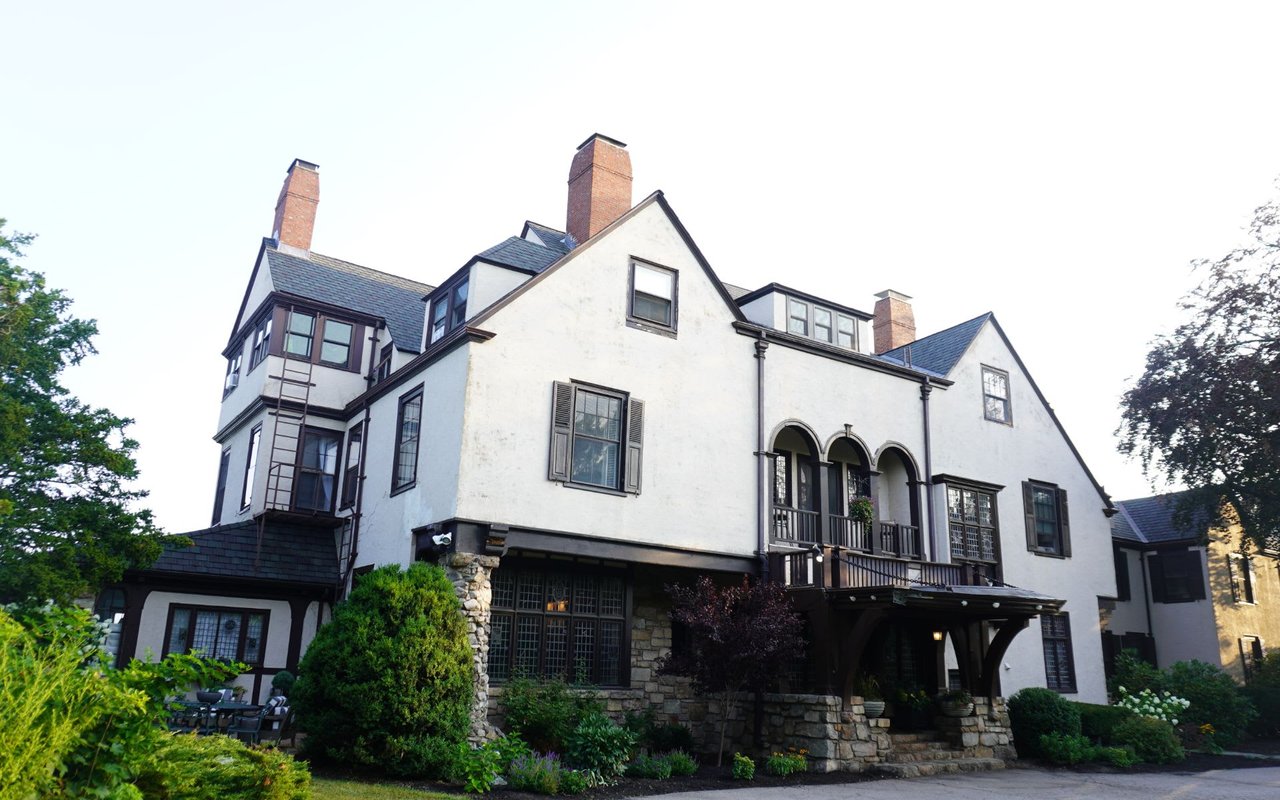
Waterfront and harbor homes are often the most iconic properties in Cohasset. The town’s historical resources plan points to the area’s summer-colony history, including large homes on rock ledges overlooking the ocean and Victorian summer cottages around Jerusalem Road, Atlantic Avenue, and the Harbor.
Many of those former summer cottages are now year-round homes. Architecturally, the town identifies Queen Anne and Italian Renaissance Revival examples, which adds to the character and long-term appeal of this part of town.
What the harbor lifestyle offers
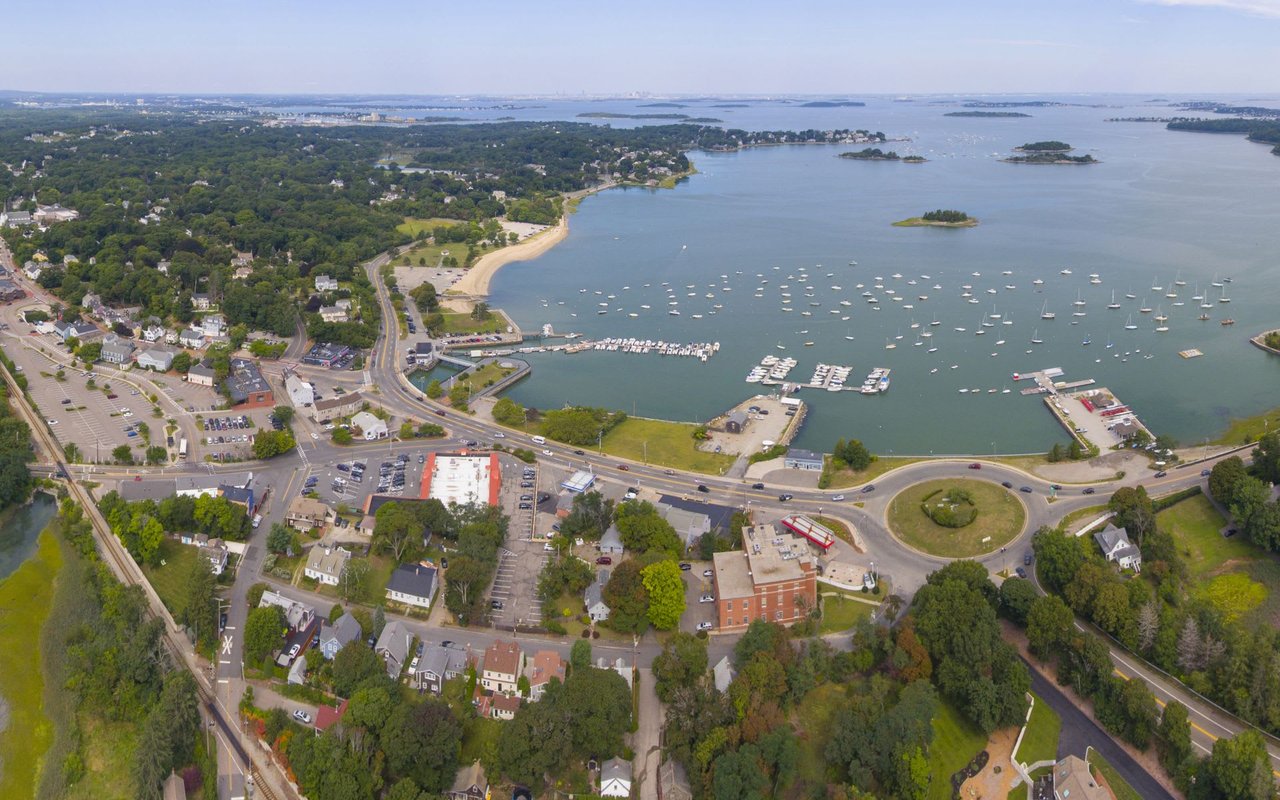
Cohasset Harbor is more than a scenic backdrop. The town says the harbor includes five public docks, a public boat ramp, sailing and yacht clubs, and an active lobster fishing fleet.
If you enjoy being on the water, this area can feel especially connected to daily coastal life. Bassings Beach also sits in the heart of the harbor area, though it is accessible only by boat, paddle board, or kayak.
What to expect on price and upkeep
True waterfront and harbor-front homes tend to sit at the top of the market. Cohasset’s housing plan notes that development capacity is limited by water, flood-prone areas, and future flooding risk from sea level rise, which makes waterfront property a scarce segment.
You should also expect higher maintenance and more due diligence. Cohasset regulates work near wetlands, floodplains, beaches, dunes, and tidal flats, and Massachusetts notes that standard homeowners insurance typically does not cover flood damage.
Best fit for waterfront buyers
This setting often fits buyers who want:
- Water views
- Boating or marina access
- Historic coastal character
- A premium location with limited supply
- Comfort with ongoing coastal maintenance
Beach-Area Homes
If your dream is easy access to summer recreation, beach-area living may feel like the right fit. Cohasset’s beach settings center on Sandy Beach, Black Rock Beach, and Bassings Beach.
The town describes Sandy Beach as its most popular swimming beach, with more than 300 feet of sandy coastline. Black Rock Beach includes 150 feet of coastline in Cohasset, and Bassings Beach is reachable only by boat.
Why buyers are drawn to beach locations
Beach-area homes often appeal to buyers who want a strong seasonal feel and easy access to the shoreline. Even if you live there year-round, the setting can make everyday life feel more connected to the outdoors.
The town also posts beach-closing information and water-quality testing results during swim season. That is especially relevant if you expect to use the beach often rather than just enjoy being nearby.
The practical side of beach living
With beach proximity often comes more weather and environmental exposure. Massachusetts guidance for coastal properties highlights the importance of erosion control, stormwater management, and low-maintenance native plantings near beaches, dunes, floodplains, salt marshes, and wetlands.
Pricing in these areas is typically strong because the lifestyle value is clear and supply is limited. In a town with a small land base and coastal constraints, homes near the beach usually hold broad appeal.
Village And Common Living
If you want walkability and classic New England character, village living stands out. The town describes the village center as having an ideal New England look and feel, with historical buildings and landmarks set among specialty shops and restaurants.
Cohasset’s Housing Production Plan also notes that the village center is attractive because of its retail, services, and walkability. For many buyers, that blend of charm and convenience is the main draw.
What homes near the Common feel like
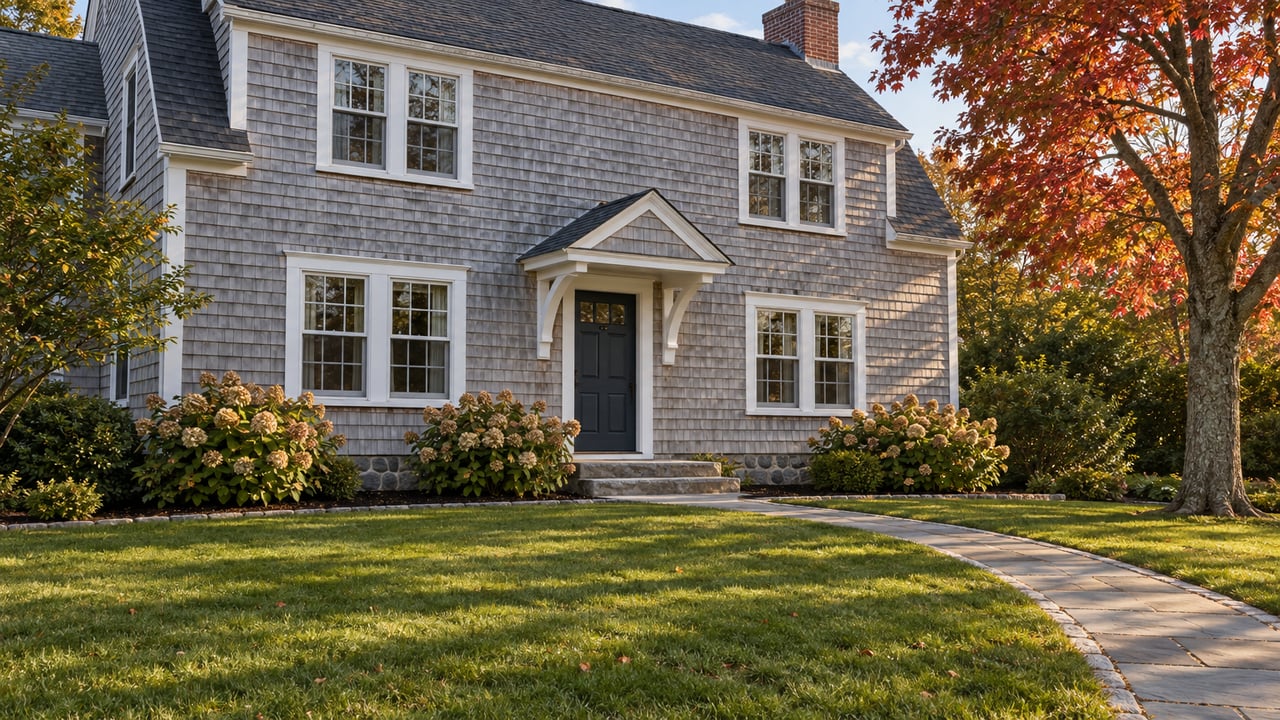
The architectural mix around the Common is distinctly historic. The town’s historic-resources plan names Federal, Georgian, Colonial, Italianate Victorian, and Classical Revival buildings in this area.
Village design guidelines also emphasize traditional forms and materials, smaller building bays, windows and porches facing the street, and a pedestrian-scale streetscape. That creates a setting where the public realm feels cohesive and intentional.
Important rules and tradeoffs
Cohasset Common is both a National Register Historic District and a local historic district. That means exterior changes visible from a public way are reviewed within the district.
There are also practical considerations. Overnight parking is prohibited year-round in Cohasset Village, and parts of the village fall within the 500-year flood zone, so buyers should still evaluate flood exposure and parking logistics carefully.
Who village living often suits
Village and Common living may be a strong fit if you want:
- Walkability to shops and restaurants
- A historic streetscape
- A smaller or more manageable home
- Proximity to town amenities
- A setting that supports easier daily errands
The town’s housing plan also notes that housing near retail can appeal to young professionals and downsizing seniors, which helps explain the broad interest in village-adjacent homes.
Inland Residential Streets
Away from the waterfront and village core, inland areas often offer a different kind of value. These homes usually trade direct coastal access for more privacy and, in some cases, larger lots.
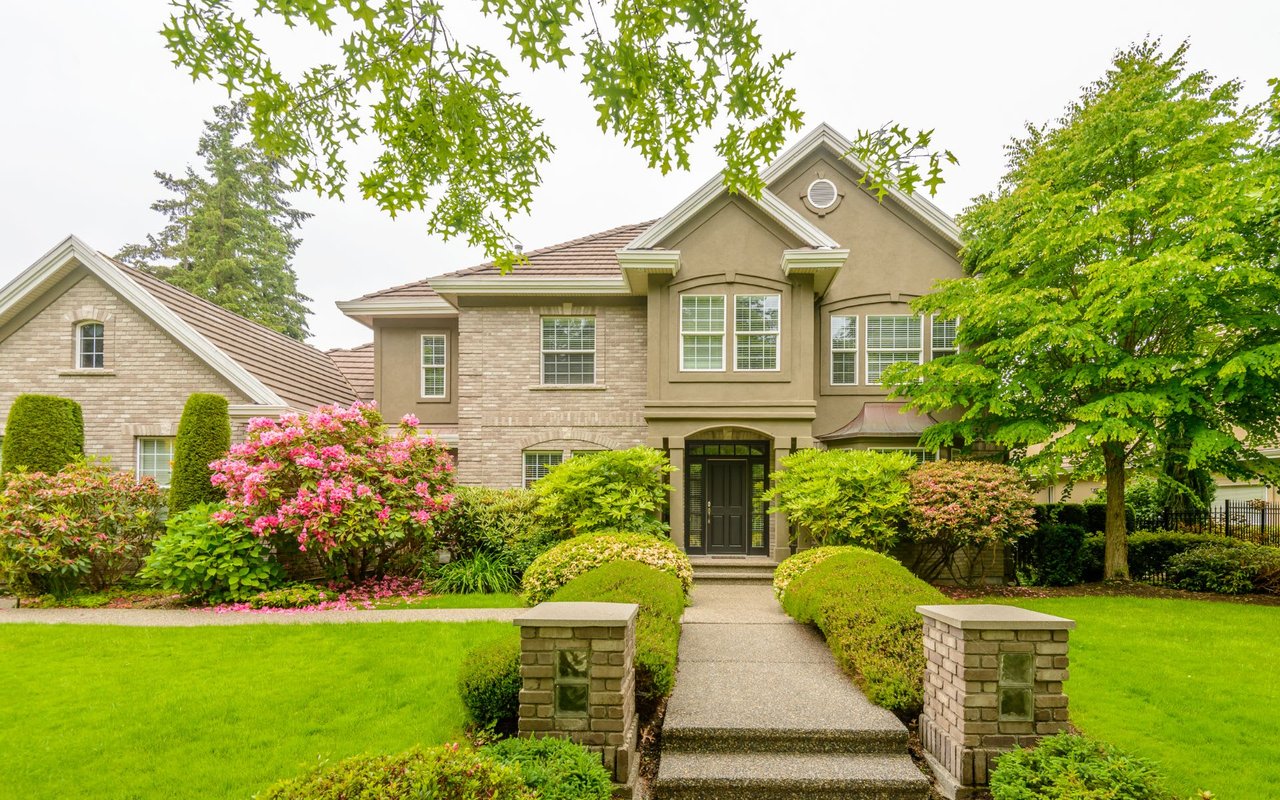
Cohasset’s housing plan says the town’s overall stock is dominated by large detached single-family homes. Inland options are often part of that broader pattern rather than the more distinctly historic waterfront or village environments.
Why inland homes appeal to many buyers
For some buyers, inland streets offer a more practical balance. You may find more space, a quieter setting, and less day-to-day exposure to salt air, beach traffic, and shoreline-related upkeep.
That can be especially attractive if you want Cohasset’s location and character without making water access the center of your home search.
Age and condition still matter
Because so much of Cohasset’s housing stock is older, inland homes still require careful evaluation. The town notes that older homes can carry higher utility costs and may be less accessible.
That does not mean inland homes are less desirable. It simply means that, in Cohasset, condition, updates, layout, and maintenance history matter in every area of town.
How To Match The Area To Your Lifestyle
A simple way to think about Cohasset’s housing options is to focus on how you want to live day to day. In broad terms:
- Waterfront and harbor homes are the most lifestyle-driven
- Beach-area homes are recreation-first
- Village homes are the most walkable and historic
- Inland homes are often the most flexible for space and everyday practicality
This framework reflects the town’s planning priorities, amenity patterns, and coastal constraints. It can help you narrow your search faster and avoid falling in love with a house that does not fit your routine.
Commute And Convenience Factors
For many buyers, convenience still plays a major role. The town says Cohasset offers commuter rail, commuter boats, and Route 3A, and the Housing Production Plan identifies the village center and northern Route 3A as the most suitable development areas because of walkability, retail and service access, and proximity to the commuter rail station.
If commuting is part of your weekly routine, location within town matters. A beautiful home may still feel less practical if it adds friction to your drive, train access, or daily errands.
What This Means For Buyers And Sellers
If you are buying, the smartest first step is usually to rank your priorities before you start touring homes. Decide whether walkability, water views, beach access, privacy, lot size, or lower upkeep matters most, because in Cohasset, you often cannot maximize all of them at once.
If you are selling, your home’s micro-location shapes the marketing story. A harbor property, village home, beach-area address, and inland residence each appeal to buyers for different reasons, and clear positioning can help attract the right audience.
Cohasset is nuanced, and that is part of its appeal. When you understand the tradeoffs between waterfront, village, beach, and inland living, you can make a more confident decision and choose a home that truly fits your lifestyle.
Ready to talk through which part of Cohasset fits you best? Pamela Bates offers calm, informed guidance across the South Shore, with the local insight to help you weigh character, location, condition, and long-term value.
FAQs
What types of homes are most common in Cohasset?
- Cohasset’s housing stock is largely owner-occupied and includes many large detached homes. The town’s 2020 Housing Production Plan says nearly half of homes have four or more bedrooms, and much of the inventory was built before 1960.
What is the difference between waterfront and village living in Cohasset?
- Waterfront living centers more on views, boating access, and premium coastal positioning, while village living centers more on walkability, historic character, shops, restaurants, and access to everyday amenities.
Are historic rules important for homes near Cohasset Common?
- Yes. Cohasset Common is both a National Register Historic District and a local historic district, so exterior changes visible from a public way are reviewed within that district.
What should buyers know about flood and coastal considerations in Cohasset?
- Buyers should know that some waterfront, beach, and even village areas involve flood-related considerations. Cohasset regulates work near wetlands, floodplains, beaches, dunes, and tidal flats, and Massachusetts notes that standard homeowners insurance usually does not cover flood damage.
Is village living in Cohasset a good fit for downsizers?
- It can be. The town’s housing plan notes that housing near retail is attractive to groups that may include downsizing seniors, and village living can offer a smaller, more manageable home near shops and services.
What makes inland Cohasset homes appealing?
- Inland homes often appeal to buyers who want more privacy, potentially more space, and less direct exposure to salt air, beach traffic, and shoreline-related maintenance.